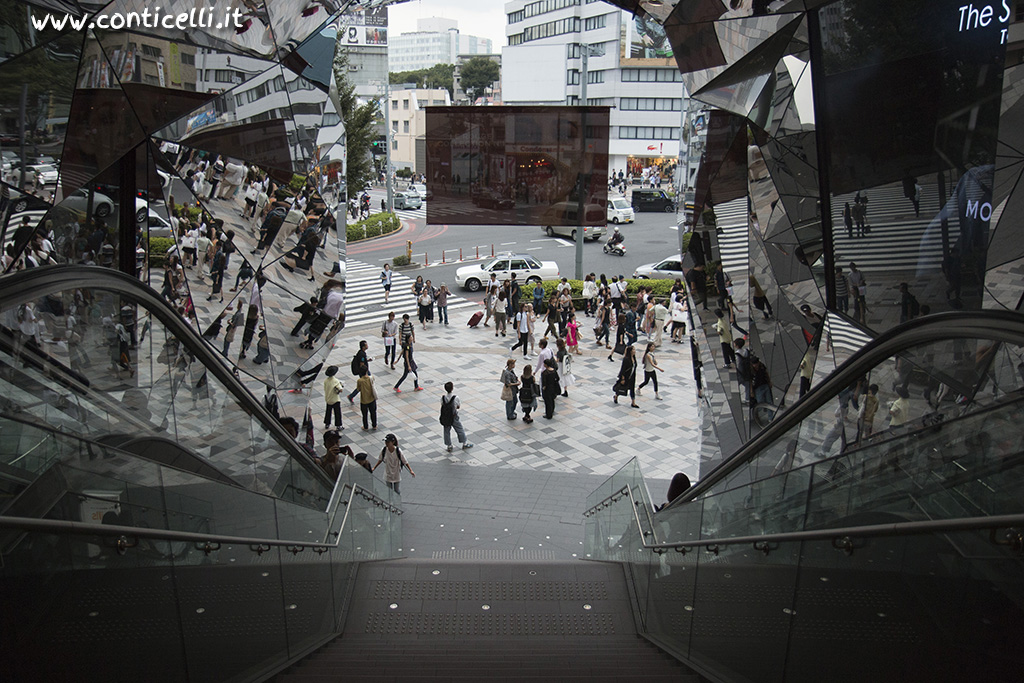
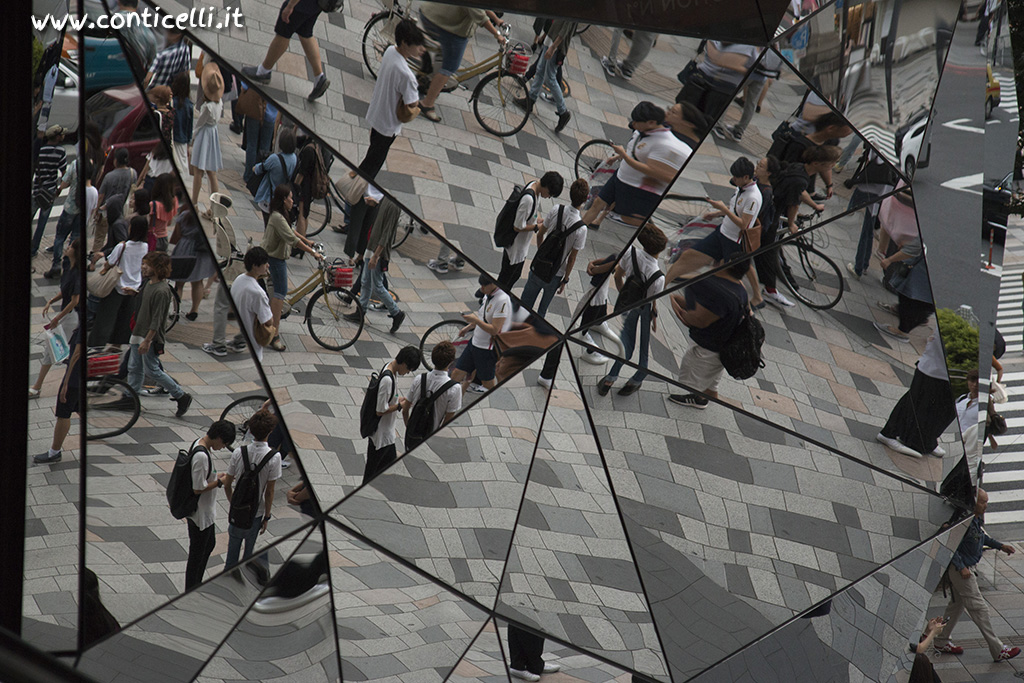
Japan was the first oriental country we visited. They didn't know what to expect.
We could see the people's extreme kindness, education and incredible honesty, but also their closure to "foreigners" and their very little propensity for English.
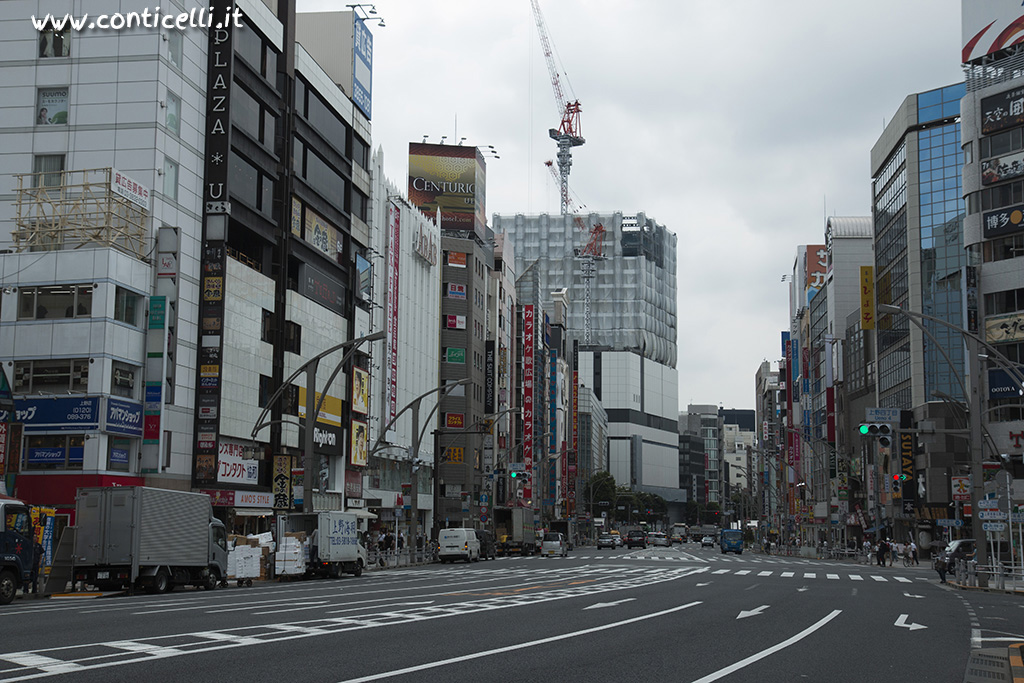
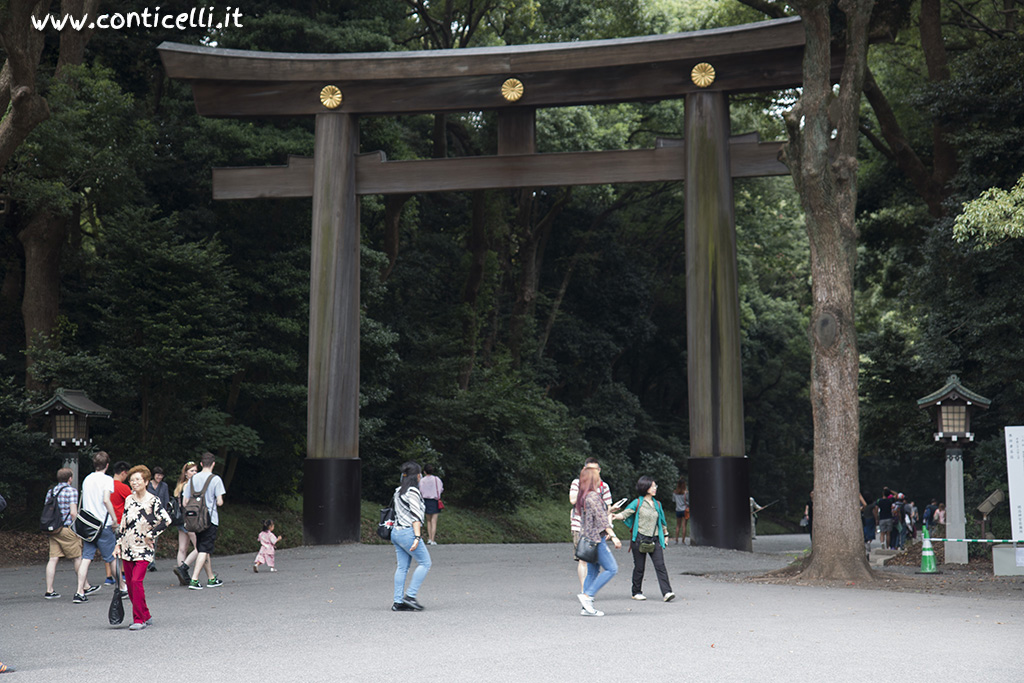
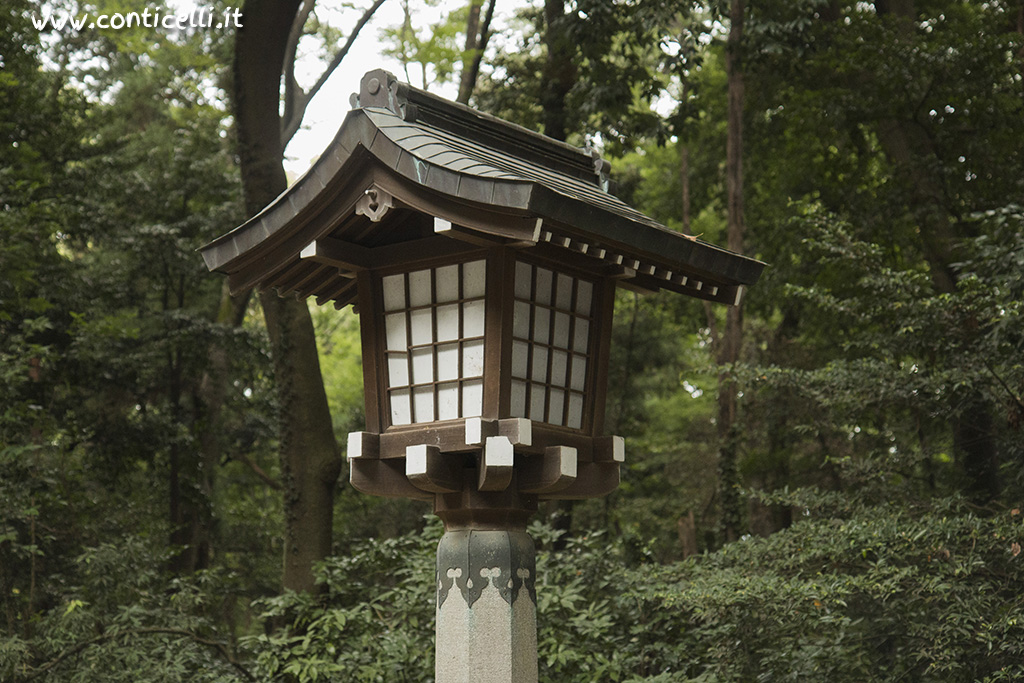
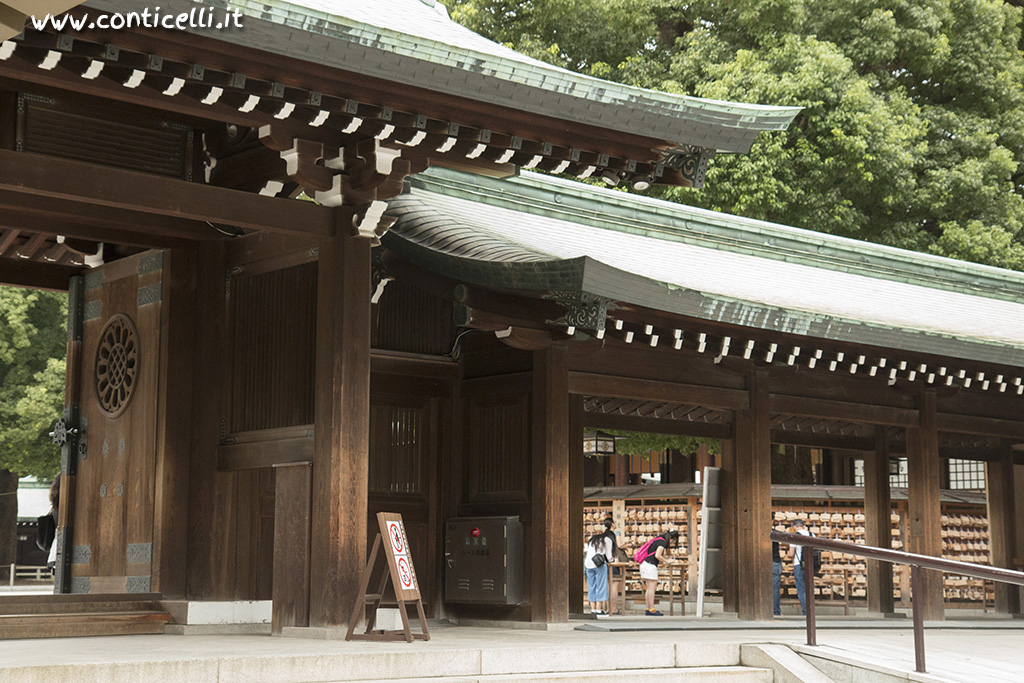
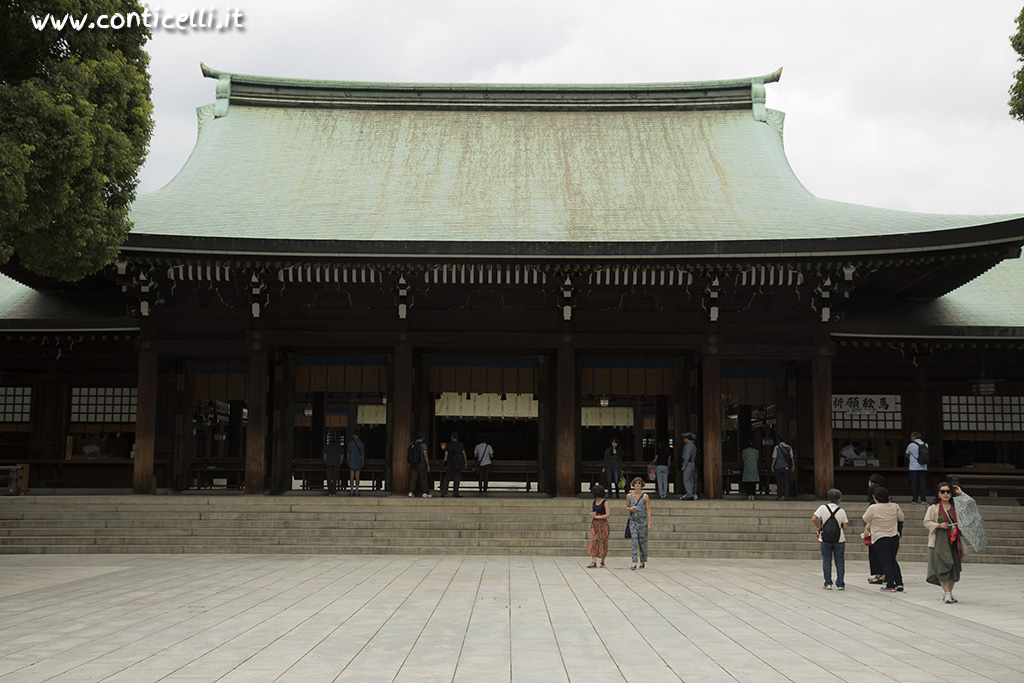
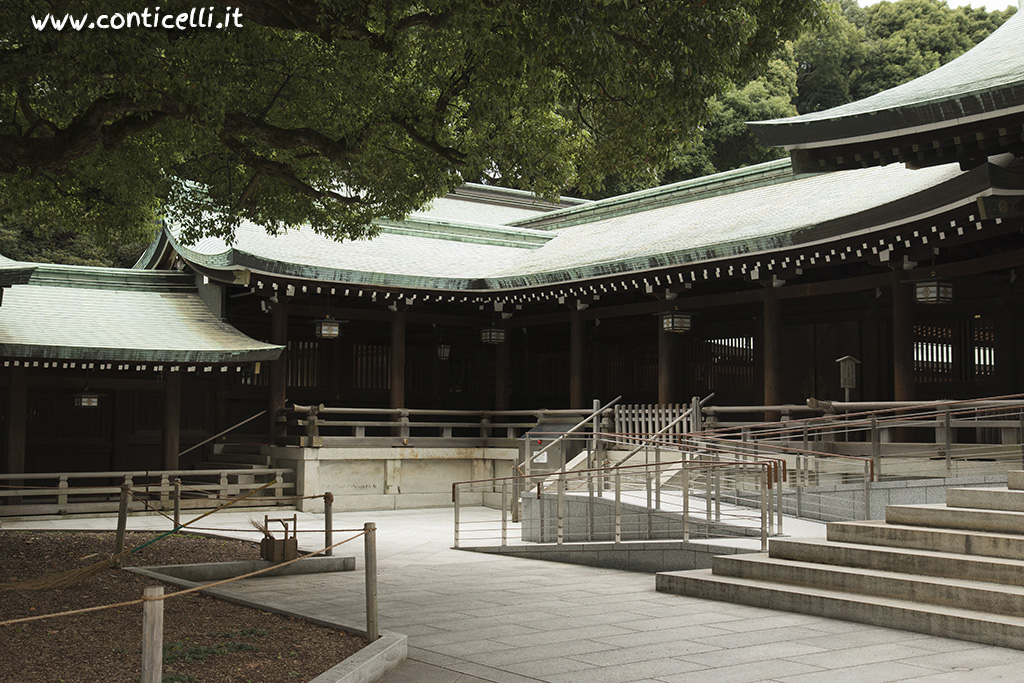
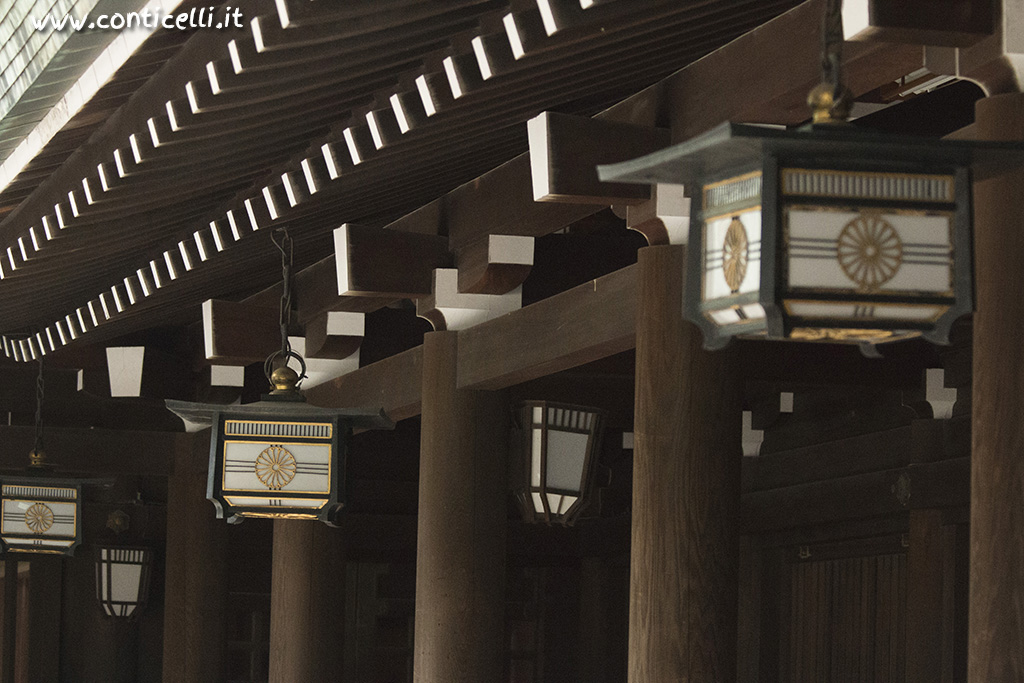
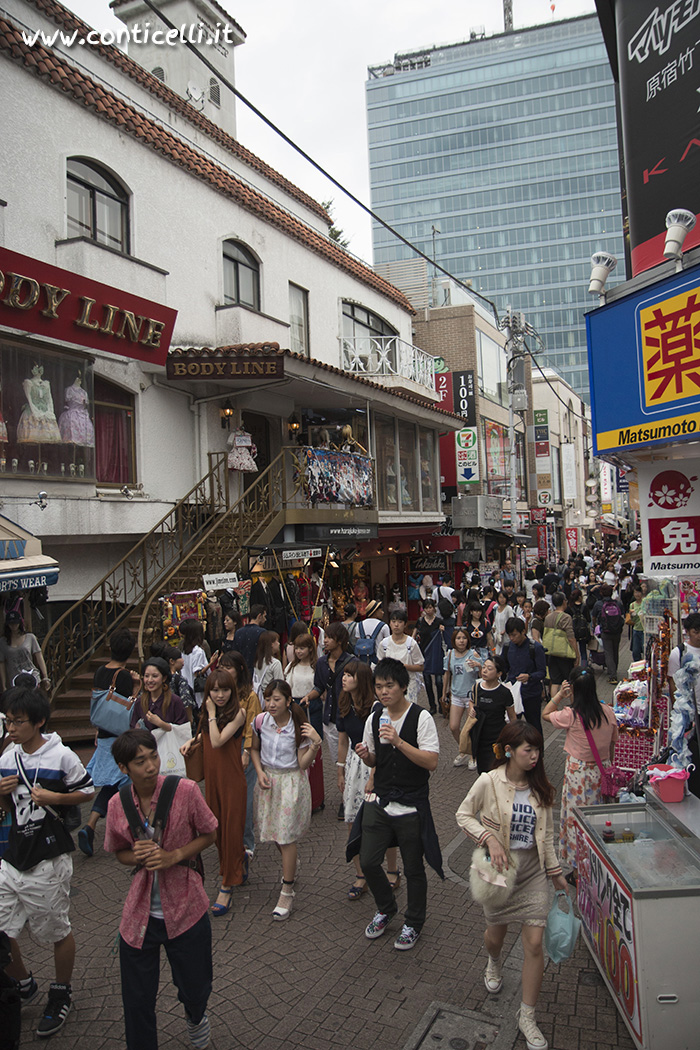
The architecture of the places of worship, Shinto and Buddhist temples, is fully harmonized with the landscape, adapted to it as a whole. The big cities are all modern, without a historic center as we conceive it in Europe.
Visiting Miyajima means witnessing one of the most evocative spectacles in Japan: the great torii of the Itsukushima Shrine, a sacred gate that seems to float on water. It is not just an iconic symbol: it is a place that changes its face continuously, shaped by the tides, the light and the seasons.
During high tide, the torii appears as a lonely red island in the sea. Its columns, imposing and perfect in their symmetry, emerge from the water as if they had no weight. In these moments the silence is almost sacred, interrupted only by the light sound of the waves. It is here that the torii reveals its deepest meaning: a boundary between the ordinary world and that of the gods.
When low tide arrives, however, the experience changes completely. The sea recedes and you can approach it on foot, walking on the humid seabed that shines with golden reflections. Touching its wooden columns, consumed by centuries of water and wind, gives the feeling of entering the history and spirituality of Japan. Every detail speaks of a delicate balance between nature and architecture.
The most magical moment? Without a doubt the sunset. The sky is painted orange and purple, the torii stands out like a flaming shadow and, with the tolling of the bells of the sanctuary, the island seems suspended out of time. It's the instant you understand why this place is considered one of the most beautiful views in the country.
Visiting the Miyajima torii does not only mean seeing a monument: it means witnessing a continuous dialogue between man and nature, between spirituality and landscape. It is one of those experiences that follow you even after you return, like an image etched in your memory.
During high tide, the torii appears as a lonely red island in the sea. Its columns, imposing and perfect in their symmetry, emerge from the water as if they had no weight. In these moments the silence is almost sacred, interrupted only by the light sound of the waves. It is here that the torii reveals its deepest meaning: a boundary between the ordinary world and that of the gods.
When low tide arrives, however, the experience changes completely. The sea recedes and you can approach it on foot, walking on the humid seabed that shines with golden reflections. Touching its wooden columns, consumed by centuries of water and wind, gives the feeling of entering the history and spirituality of Japan. Every detail speaks of a delicate balance between nature and architecture.
The most magical moment? Without a doubt the sunset. The sky is painted orange and purple, the torii stands out like a flaming shadow and, with the tolling of the bells of the sanctuary, the island seems suspended out of time. It's the instant you understand why this place is considered one of the most beautiful views in the country.
Visiting the Miyajima torii does not only mean seeing a monument: it means witnessing a continuous dialogue between man and nature, between spirituality and landscape. It is one of those experiences that follow you even after you return, like an image etched in your memory.
Yayoi Kusama's Yellow Pumpkin emerges from the pier as a silent and magnetic presence, suspended between sea and sky. Its surface studded with black polka dots lights up with golden reflections despite the soft light of twilight, creating a poetic contrast with the mountains on the horizon and the calm waters of the Seto Inland Sea.
Lying on the edge of the pier, this iconic sculpture seems to dialogue with its surroundings: an imaginative sentinel watching over the island of Naoshima, a place where contemporary art meets nature in perfect balance. The landscape, wrapped in a blue stillness, amplifies the feeling of being in a suspended space, almost out of time.
Looking at it closely, you can perceive all of Kusama's poetics: a world made up of repetitions, soft shapes and vibrant colors that transform a simple object into an emotional and immersive experience. An icon of the island, yes, but also a symbol of wonder and amazement, capable of surprising any traveler who reaches this remote corner of Japan.
Lying on the edge of the pier, this iconic sculpture seems to dialogue with its surroundings: an imaginative sentinel watching over the island of Naoshima, a place where contemporary art meets nature in perfect balance. The landscape, wrapped in a blue stillness, amplifies the feeling of being in a suspended space, almost out of time.
Looking at it closely, you can perceive all of Kusama's poetics: a world made up of repetitions, soft shapes and vibrant colors that transform a simple object into an emotional and immersive experience. An icon of the island, yes, but also a symbol of wonder and amazement, capable of surprising any traveler who reaches this remote corner of Japan.
Tokio
Tokio - Sumo
Hokone - Volcanic valley