Go to the Gallery

We chose Canada because we had never been to North America and we were curious about its fauna.
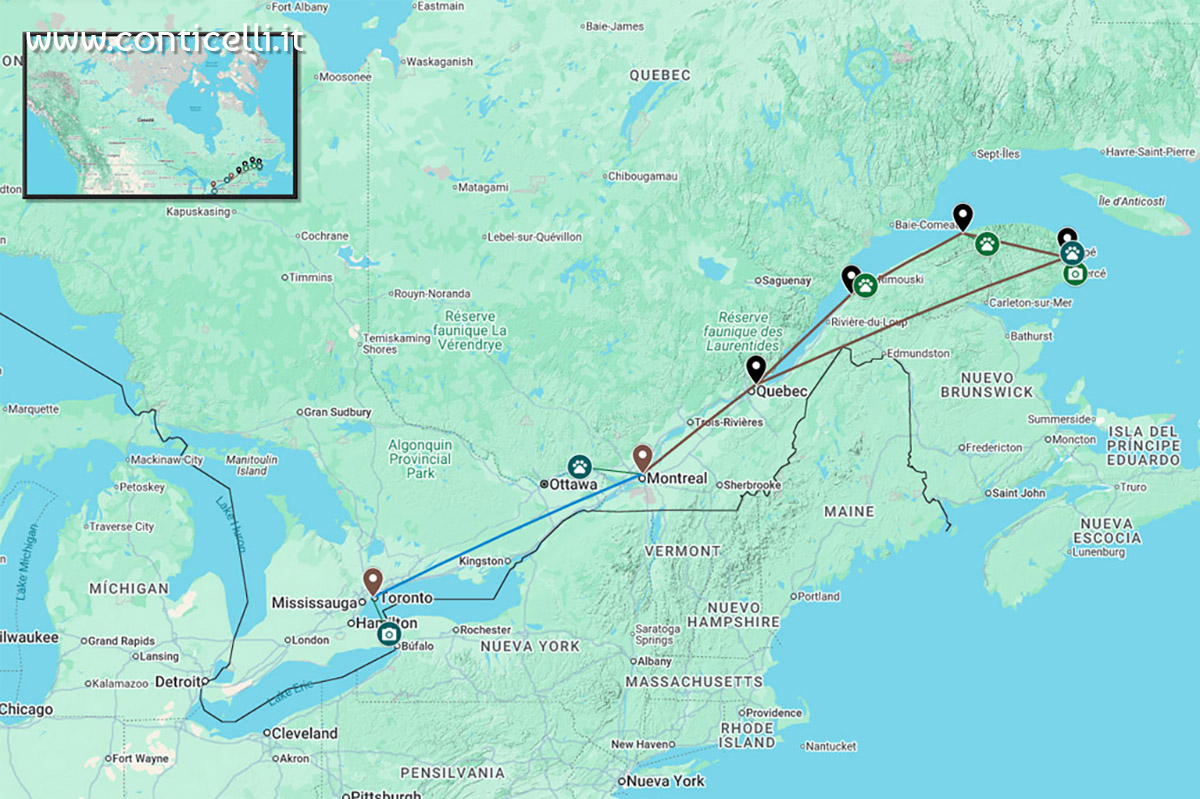
Given the vastness of the country, we opted for the east: city, Atlantic coast and verdant nature, leaving the wilder west for another occasion. Our itinerary touched Montréal, Québec City, the Gaspésie promontory and finally Toronto.
Coniferous and moss forests that extend for hundreds of kilometers, often close to the ocean, and a continuous green that accompanies the journey are enthusiastic. The landscapes, although not too different from those of some areas of Northern Italy, are striking for their vastness and for the feeling of isolation: you drive for hours without traffic, immersed in the silence of the woods.
Cities and towns, on the other hand, left us with more mixed impressions. For those coming from Europe, accustomed to urban centers rich in history and cultural stratifications, the modern and functional imprint of Canadian cities may be less engaging. The smaller villages are often made up of wooden houses, pretty but very similar to each other, without a real center or a periphery. Everyday life revolves around the car and the great outdoors.
For us, who normally travel on foot or by public transport, it was surprising to see how difficult it is to do without a car: the distances are such that even the simplest activities require long journeys on state roads. It is an efficient organization, of course, but one that makes a slower and more pedestrian approach to the territory complicated.
Even from a gastronomic point of view, the experience was unusual. It is not so much a question of variety: what struck us is the almost total absence of a recognizable local cuisine. The offer is often reduced to fast food and burgers, which are not a satisfactory meal for us. It is the first time, after trips to Europe, Asia and Africa, that we have preferred to cook independently rather than eat out.
It was an intense journey, between long hours of driving and trekking, but full of discoveries and landscapes that leave their mark that are undoubtedly worth it.
Day 1 - Montreal
And in any case, travel is always a ball.
All in all, the flight went smoothly: 8 hours direct, without stops, are quite endurable. Customs checks were also quick.
But then we waited almost two hours for them to give us the car, and we arrived home at 7 pm local time, one in the morning Italian time. Taking into account that we had left the house at nine in the morning, I would say that it was long.
We had dinner in the neighborhood. These are low houses, one after the other, even beautiful, with almost no one on the street. The few patrons of bars and restaurants are immigrants, both North Africans and South Americans. So we ended up having dinner at a Peruvian restaurant with lots of live music.
Now we are finally about to go to bed, really tired.
Day 2 - Montreal

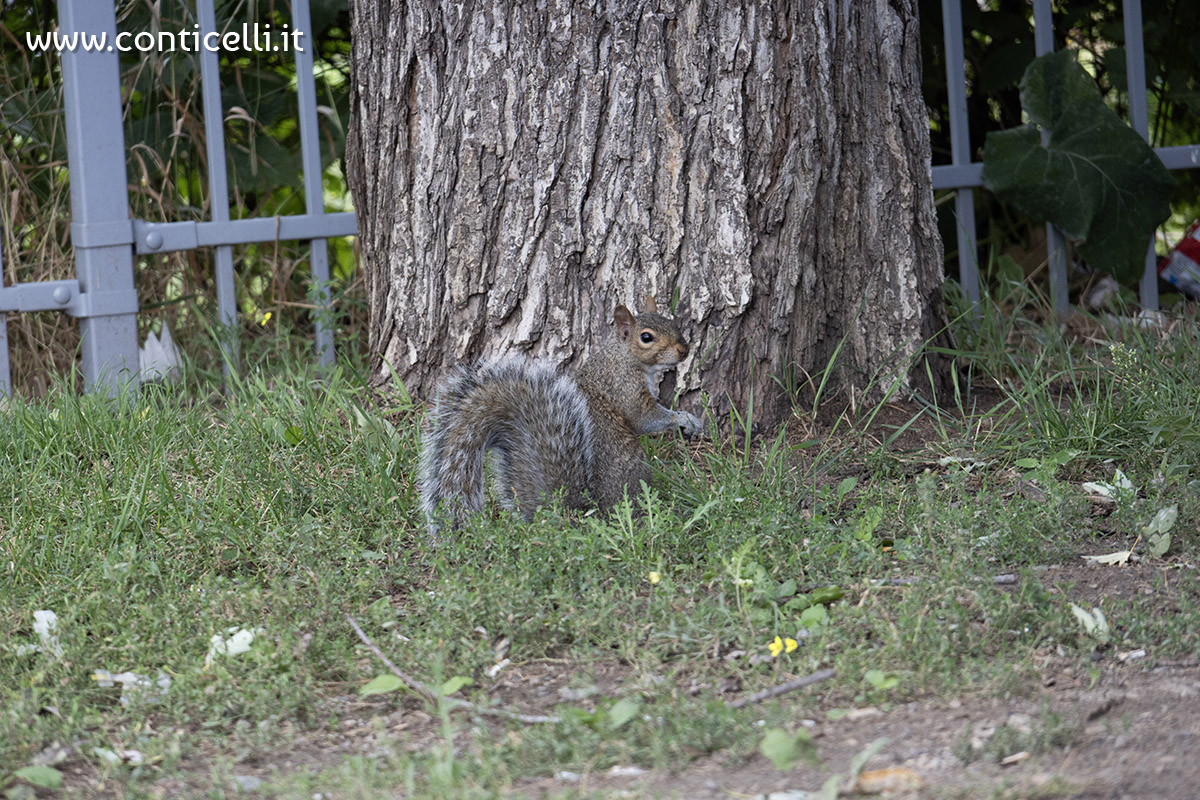
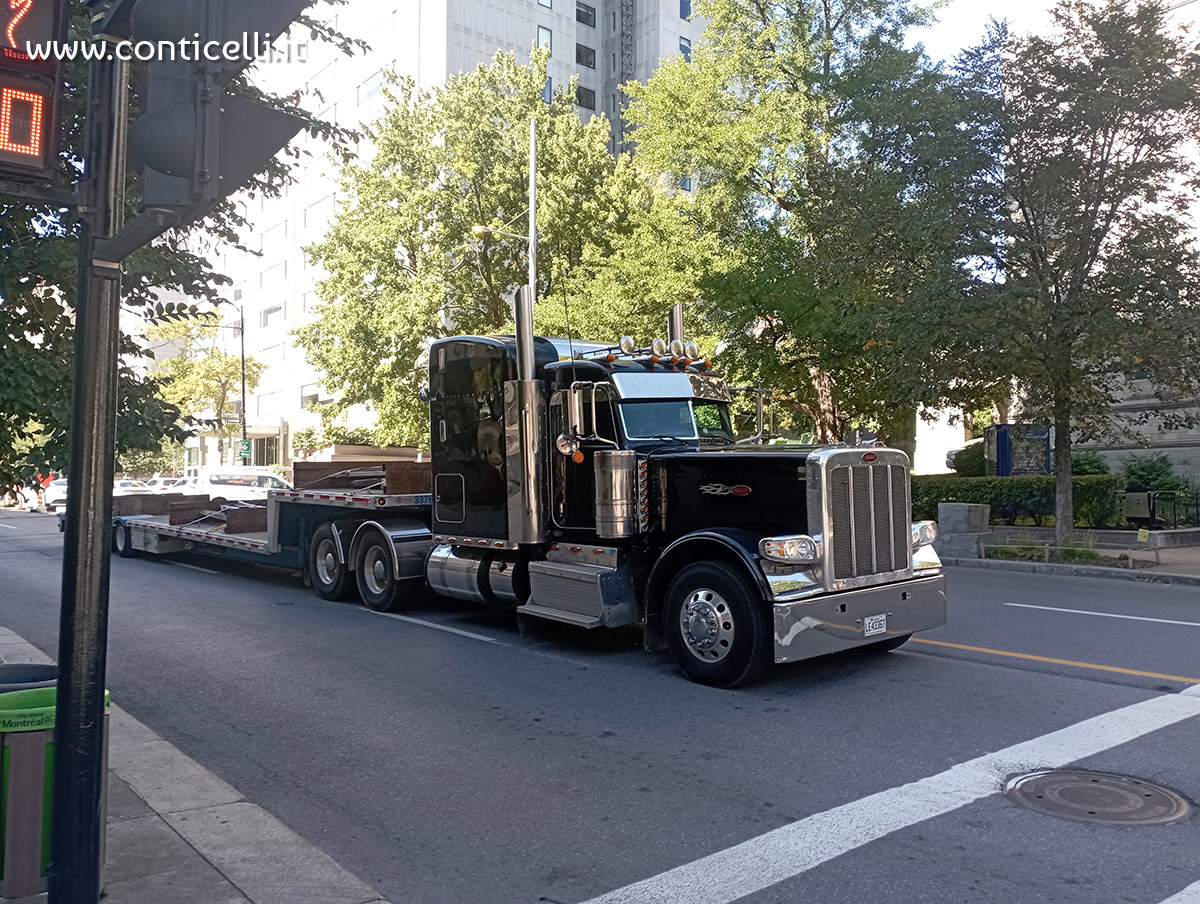
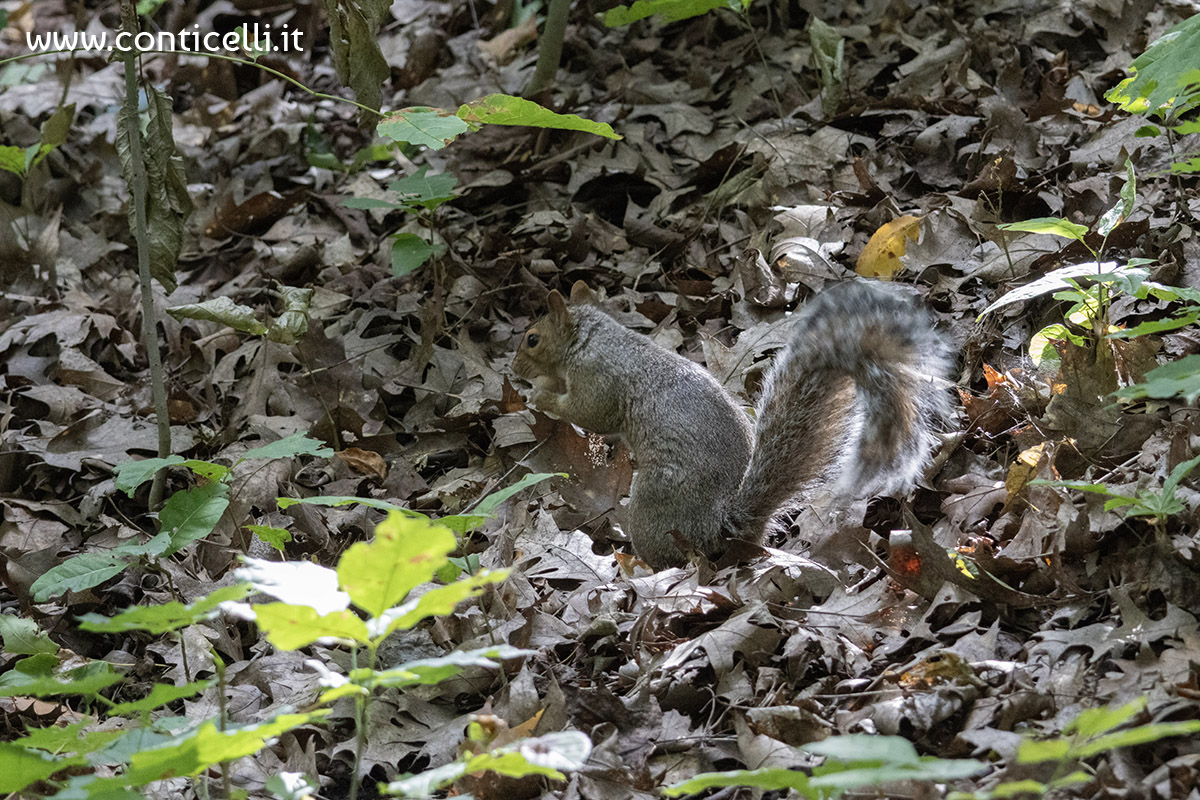
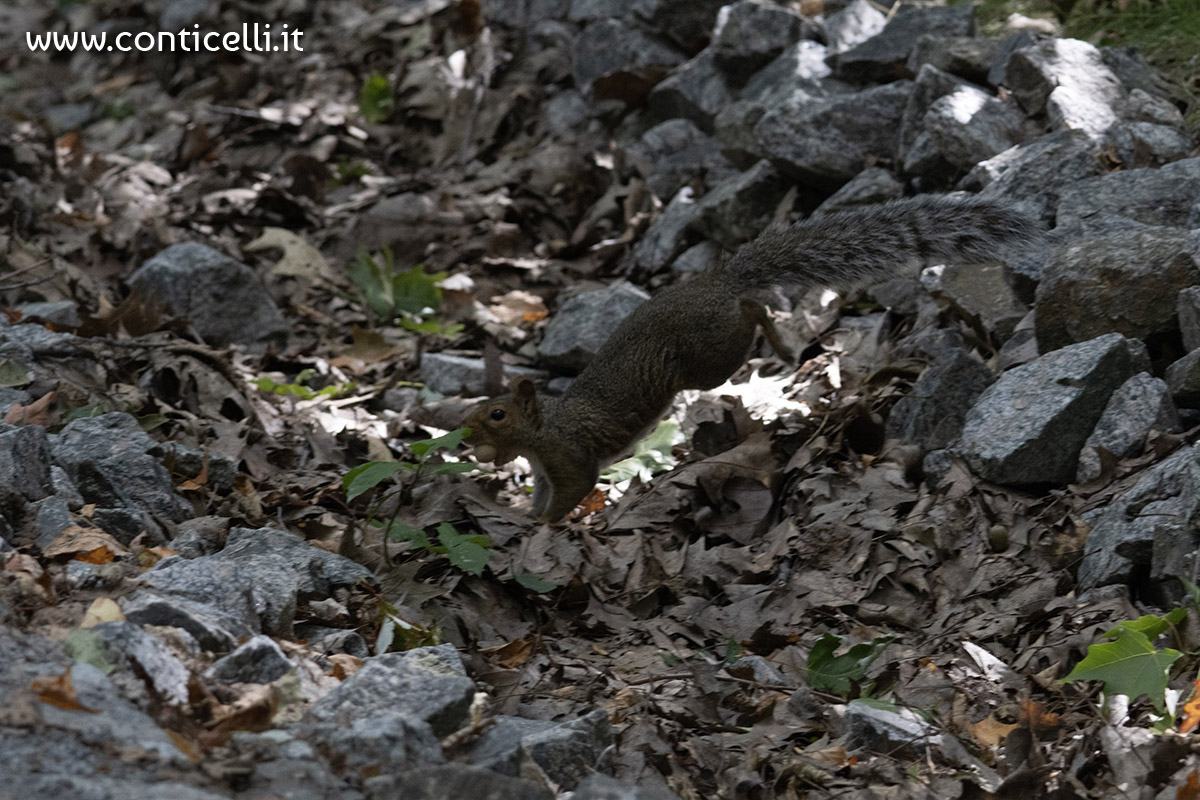
Montreal is a city of 1.8 million people, who mostly live in low houses with a courtyard around them, many trees and lots of squirrels.
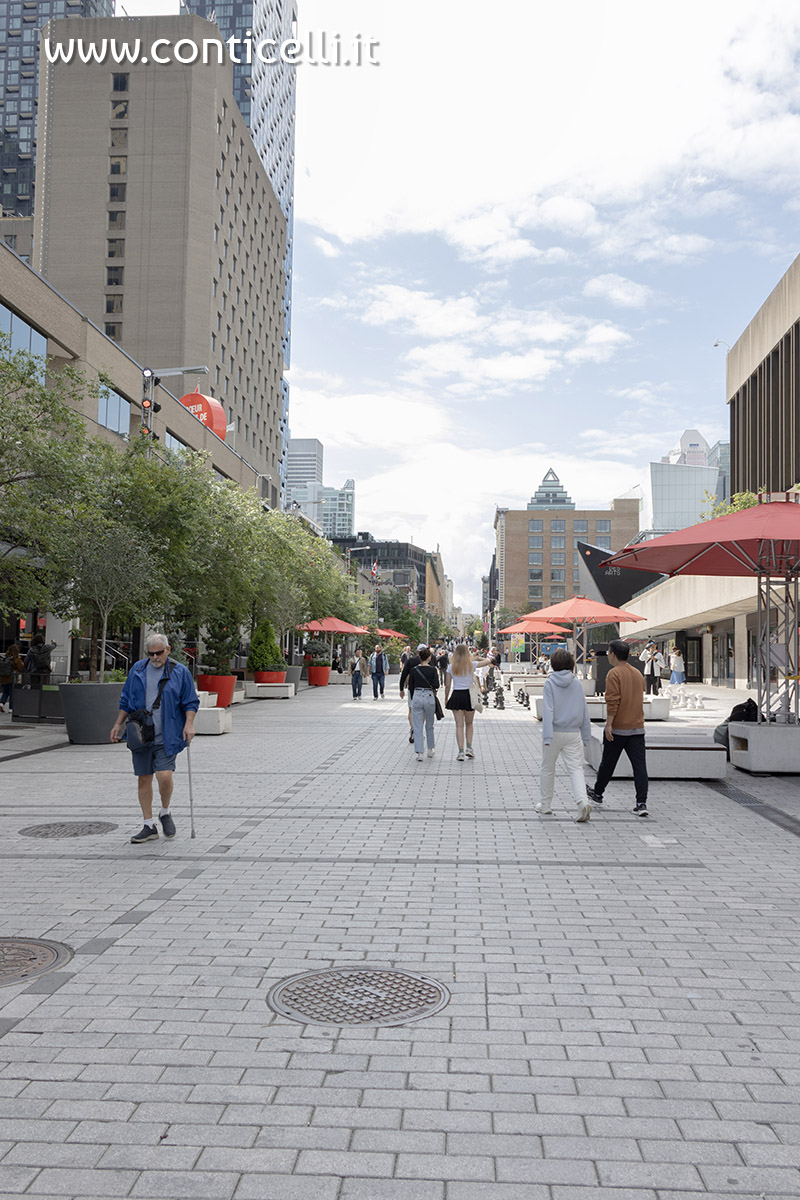
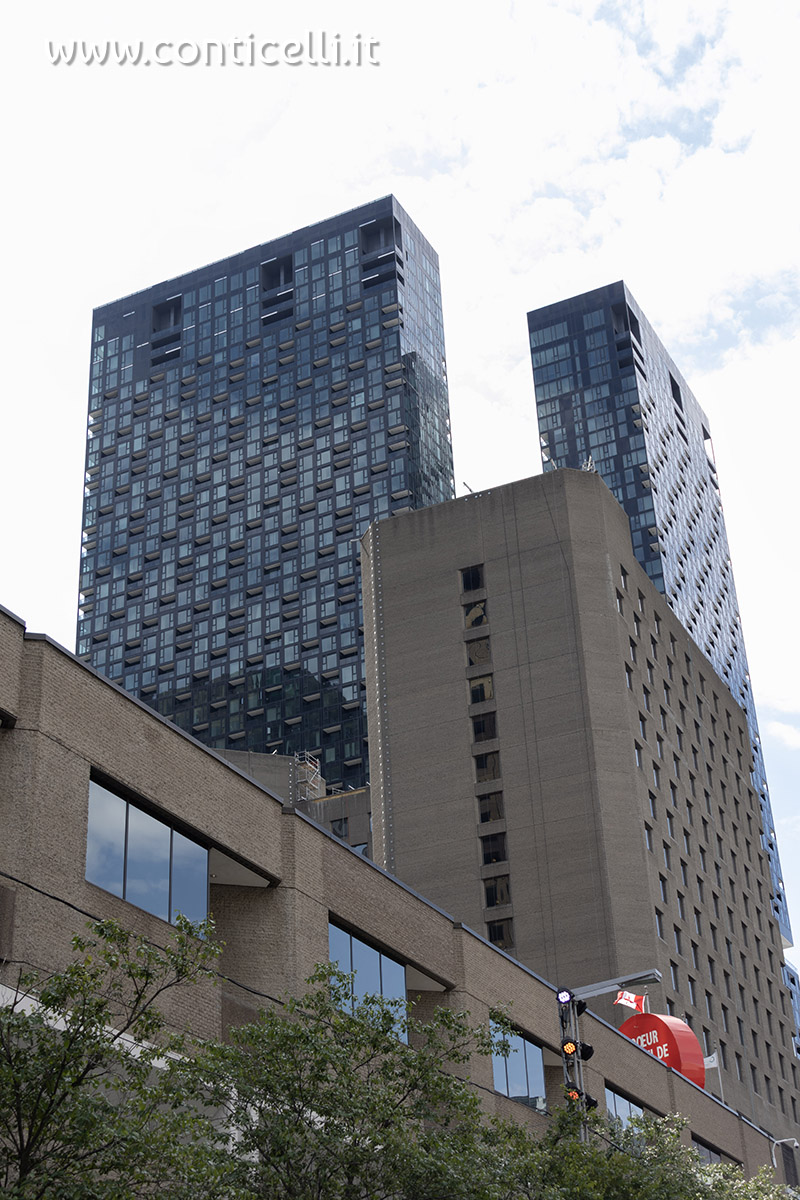
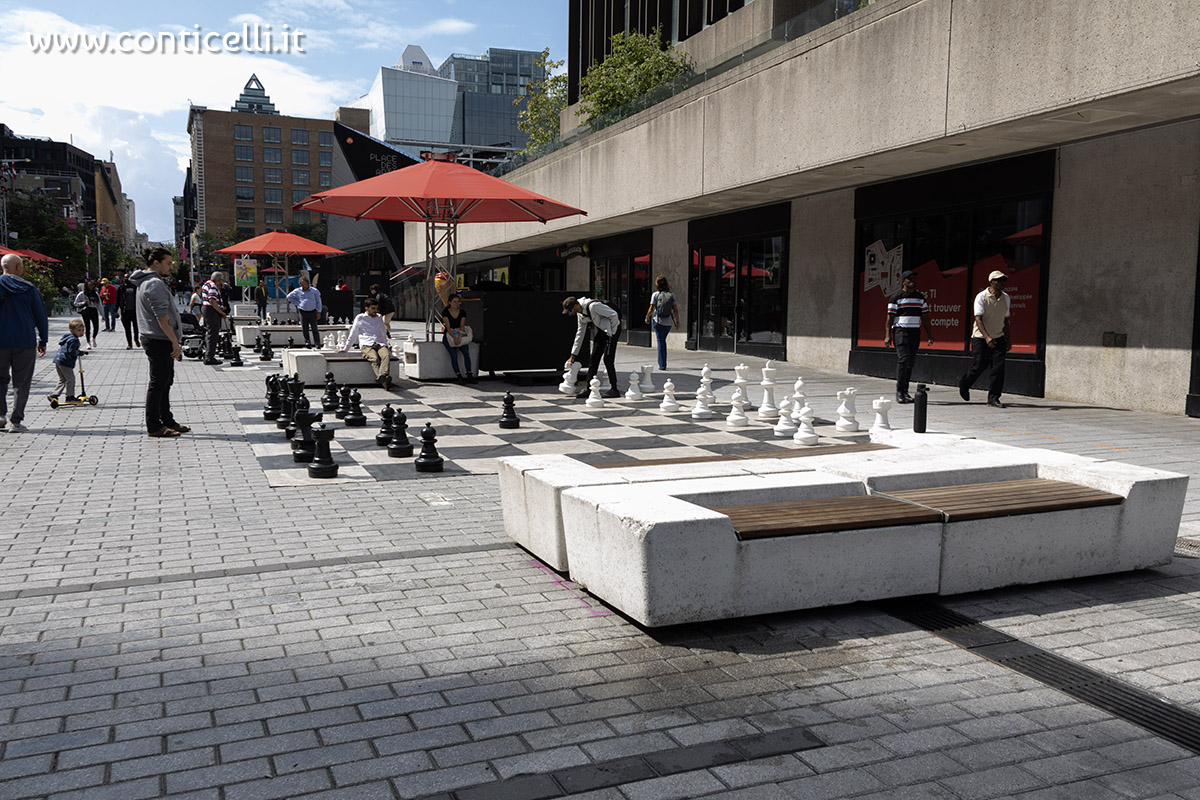
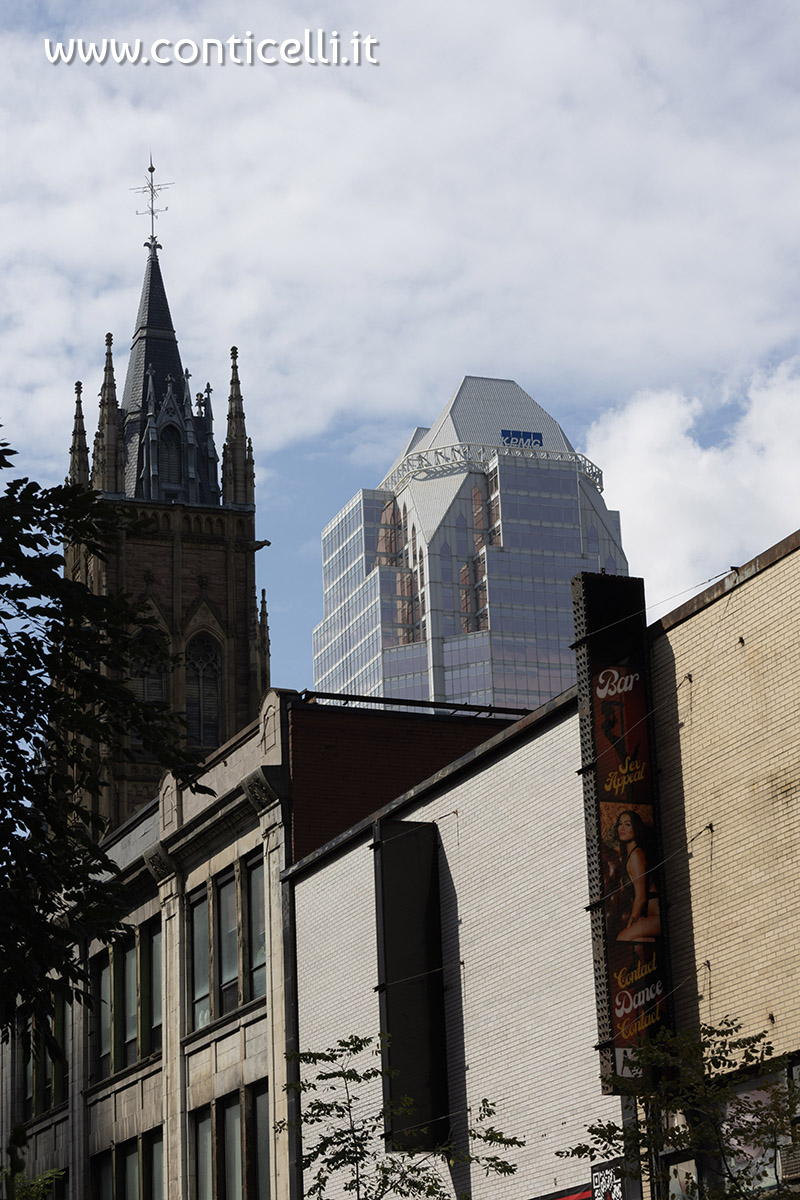
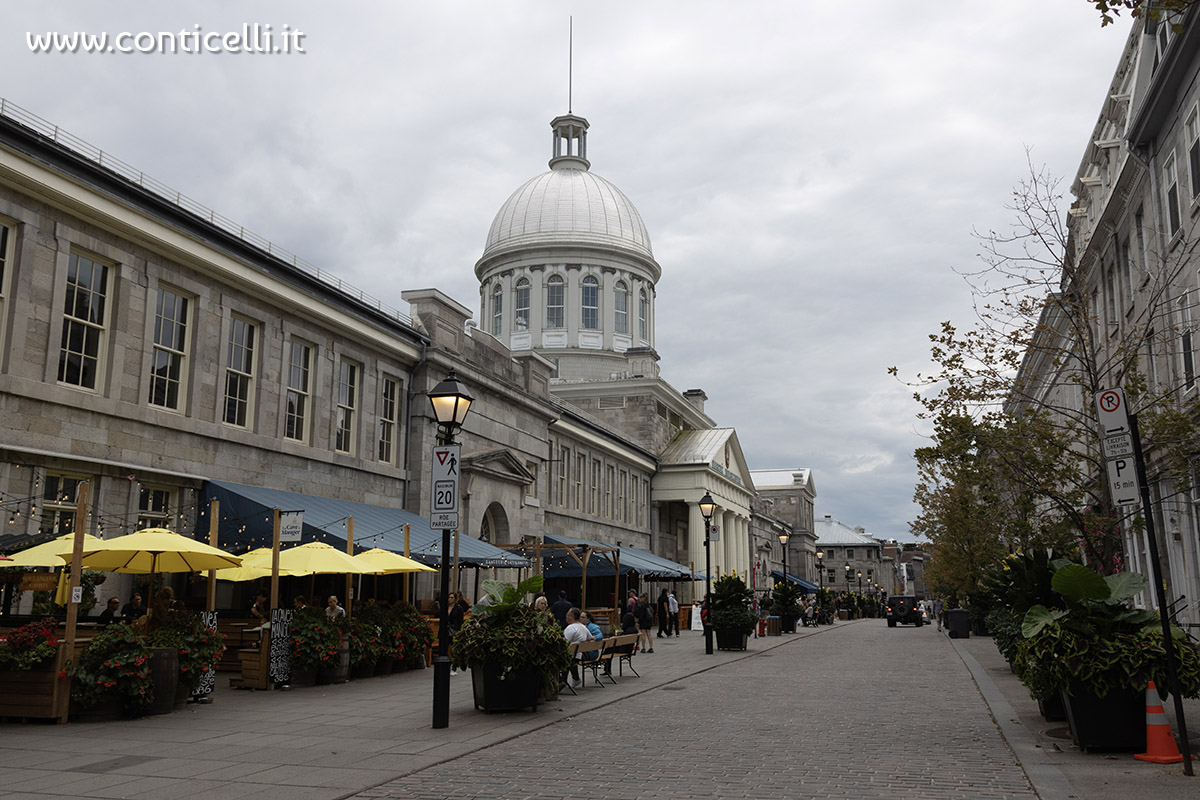
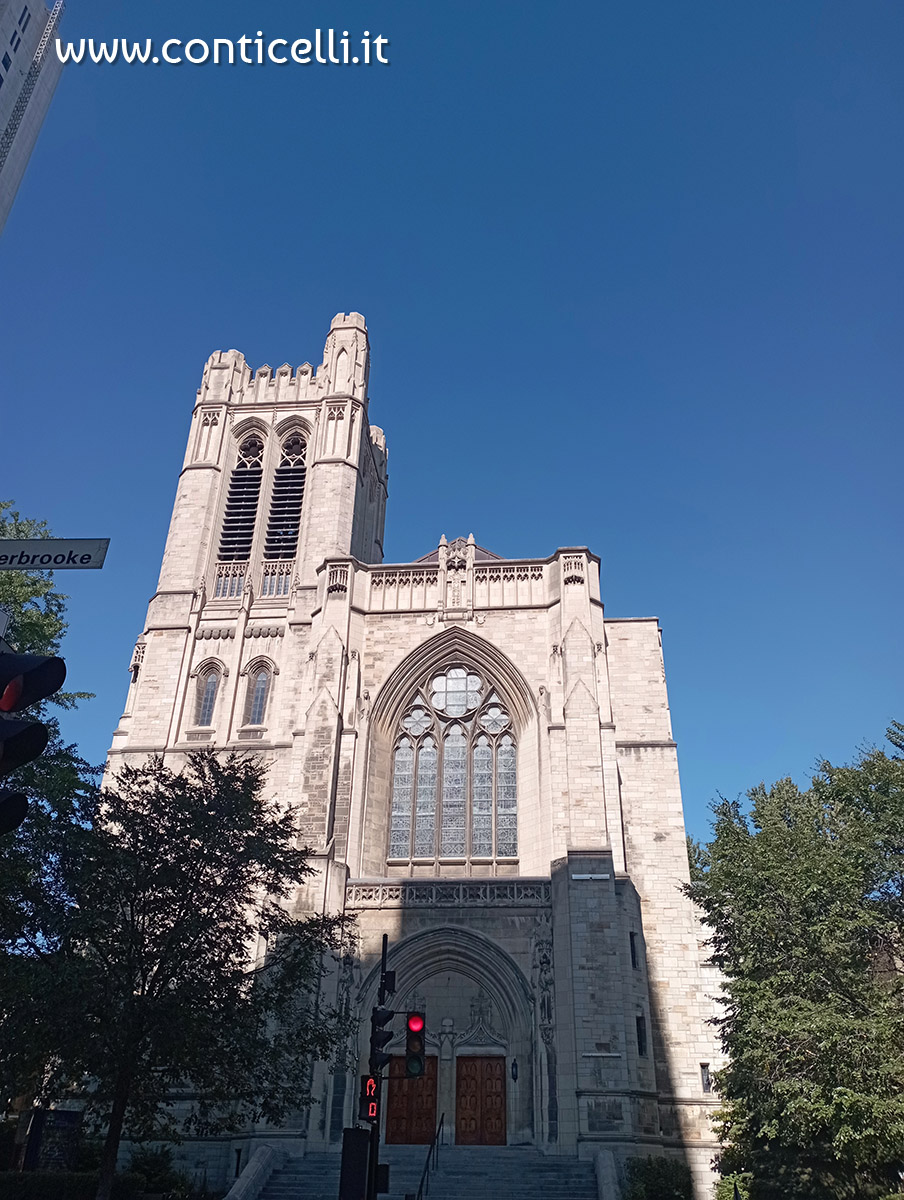
The center is elegant and modern, with skyscrapers and pedestrian streets, a long river where people go for a walk, and a few blocks euphemistically defined as the "old quarter" that tastes a bit of France, very touristy and full of shops.
Almost everyone speaks French. We expected a Catalan-style bilingualism, but instead here English is really a minority; the immigrants themselves preferably use French.
Day 3 - Montreal

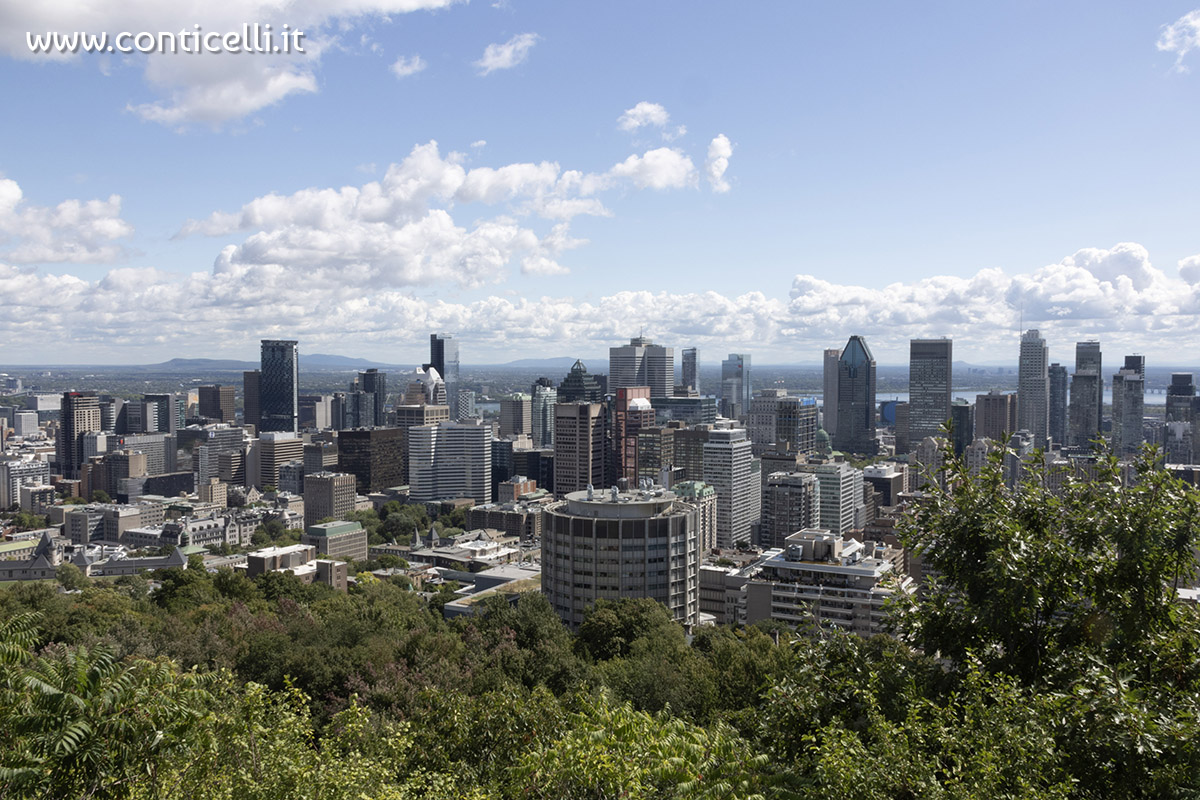
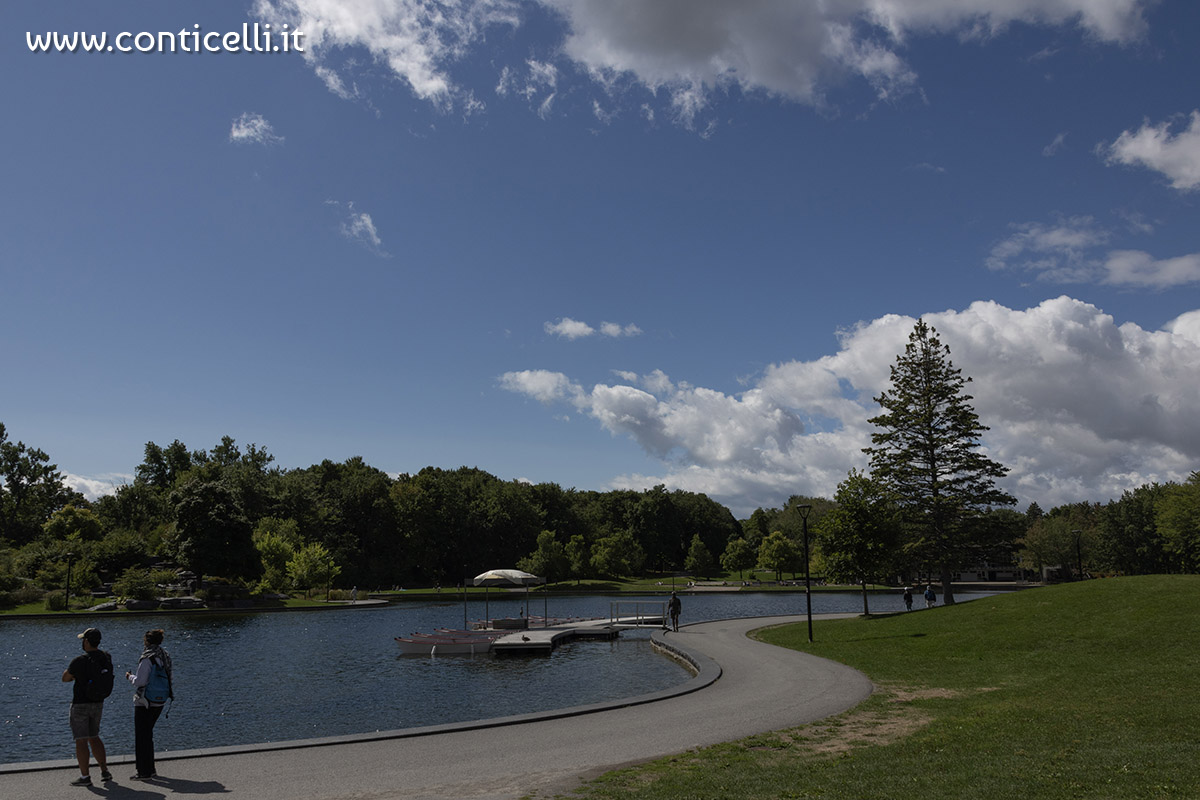
We went to Mont Royale, the hill just over 200 meters high that gives its name to the city.
It is a green area crossed by an infinite number of paths, with panoramic views, ponds and refreshment points. It's phenomenal how close it is as the crow flies from Downtown, the city center with skyscrapers.
Beautiful day, but with the crisp mountain air.
Here in winter it is constantly below zero for 4 months, and it is normal to find yourself with a meter of snow, with cross-country ski trails just outside the city.
Day 4 - Montreal

Today we went to Omega Park, about 150 kilometers from Montreal. The landscape is very reminiscent of that of some areas of Northern Italy, but less inhabited: woods, fields and rivers. As soon as you climb a little altitude, it immediately becomes more mountainous.
The park is certainly worth it, because it allows you to see many animals in their natural environment, an opportunity not so common in the rest of the country.
Lots of moose and deer, which come near cars in search of carrots. As soon as you enter, in fact, you are literally surrounded by moose who come to ask for food and stick their snouts inside the windows to take it
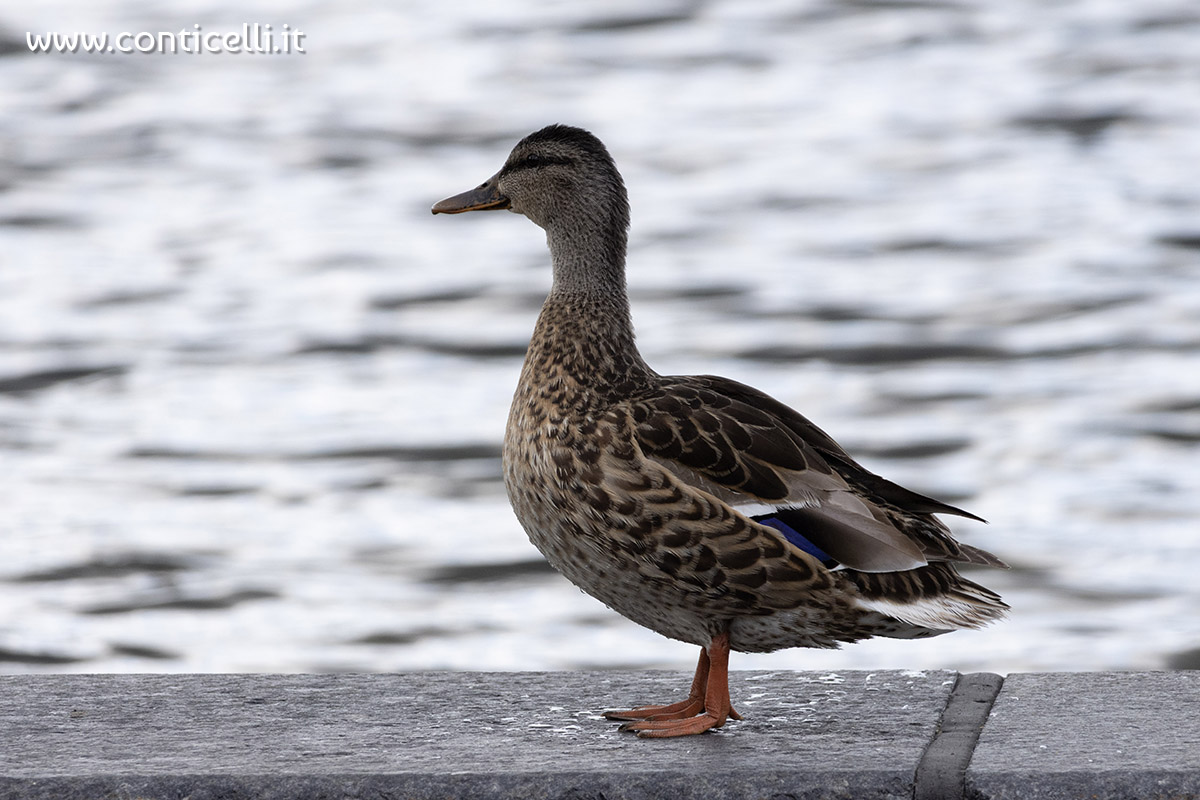
Bears, wolves, wild boars, ducks, raccoons, you can really see everything. Herbivores roam relatively free, while predators have fenced woodland areas.
You move by car along a route of about fifteen kilometers, plus some paths that can be traveled on foot. Deer and fawns, especially, get very close to cars.
During the mating season, deer emit surprising calls and face each other with horn blows, pushing each other forcefully into duels reminiscent of sumo matches. Their majestic horns give them a regal bearing
There are also many predators in the park, in separate areas. It is a unique opportunity to photograph them in their natural environment, as is the case with this gray wolf.
The park also offers opportunities to photograph bears, which are always very private.
Day 5 - Quebec City
Very different atmosphere in Quebec City.
First of all for the sea, with its light and fragrant air, for the milder temperature, and finally for the city, fascinating.
The historic center of Québec is a piece of France transplanted to America. Beautiful, elegant, with a taste of Loire and Normandy, the cobbled streets, the houses and palaces. It was a pleasure to spend the afternoon exploring and enjoying it.
Day 6 - Québec City

We went to visit the Montmorency waterfall park.
It is a truly spectacular waterfall, more than 80 meters high, and with a truly remarkable range.
The park is well structured, with a cable car that takes you to the top of the rock ridge, and a path that allows you to admire the waterfall from all angles, including a walkway that walks right on the edge of the jump and which, seen from afar, gives a good idea of the size of the waterfall.
A true spectacle of nature, which you never tire of admiring.
In the afternoon we went to the island of Orleans, in the middle of the St. Lawrence. Small houses grouped around a few villages, fields, and shops selling local products such as cheeses and sweets. Total silence.
From the western tip you can witness a fantastic sunset over the bay of Québec City, just four people and the rustle of the waves.
We loved this area.
Day 8 - Gaspé

We visited Percé and Bonaventure Island, overlooking the coast of Québec.
Percé is a small coastal village, with its houses scattered along the coast and a center gathered around a few restaurants and shops. A simple place, but with a discreet charm.
With overcast skies, the Canadian sea has a Nordic appearance: no warm light like that of the Mediterranean, but cold and filtered reflections, sometimes delicately pastel, others duller and quieter.
Bonaventure Island, a short distance from the coast, is now uninhabited, except for a lively colony of bassane, birds similar to seagulls but smaller, which dive in to fish.
There is a myriad of them. We observed them from below, sailing around the island, and from above, reaching the cliff through a path surrounded by nature.
A surprising spectacle: hundreds of animals in flight, in a harmony that leaves you speechless.
Day 9 - Gaspé

Wake up at six o'clock this morning: on the program, a boat trip in search of the whales that, in this season, go into the cold waters of Québec, attracted by the abundance of food.
The sky was initially clear, but it soon became overcast, giving way to a gray and autumnal day—indeed, by Barcelona standards, I would say almost winter.
We have ploughed a dark, oil-colored sea, rippled and broken by the wind.
To be honest, we didn't see much. That the whales are not there to greet us like Heidi's goats, could be guessed. But we hoped for something more than a few fleeting appearances.
A puff can be seen, then the dorsal fin and a dark back stroke that draws an arc in the waves, before disappearing. That is enough to guess their grandeur.
On the way back, thin drizzle, low and heavy sky, cold wind on black waves, cliffs dotted with pine trees.
We had lunch, made some purchases, and went back.
The photo? Only a hint of a fin, but that moment remains etched.
Day 10 - Gaspè

We explored the Forillon Park, at the end of Cap Gaspé.
It is an area of great scenic beauty: you walk along the coast, with the sea always next to you, but the air and the woods have the scent and quiet of the mountains. An original mix.
In the afternoon we went towards some ponds inhabited by beavers. We have spotted their burrows, but beavers... not even a shadow.
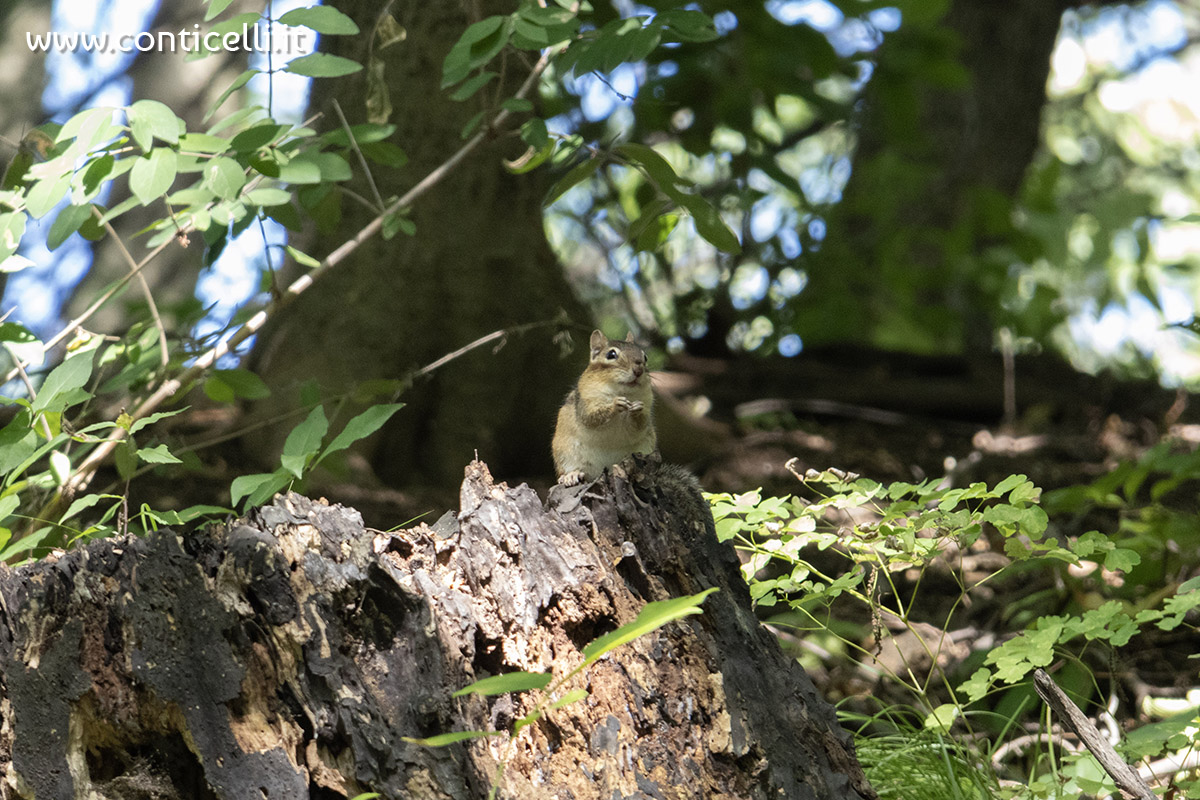
On the other hand, the park is teeming with squirrels and small rodents.
What is most striking is the immensity of the open spaces, especially when compared to inhabited areas.
Day 11 - Cap Chat

Heading back west, we reached the Gaspésie Park and ventured onto a mountain in the woods, the natural habitat of moose — although spotting them is not easy at all.
Landscape-wise, Canada is simply magnificent. The individual environments are not too different from those that can be found in some areas of Northern Italy, but what really strikes you is the vastness: you can drive for miles and miles without traffic, with few intersections, always surrounded by forests.
It is a continuous, uninterrupted green, where the human presence is barely perceptible. Hundreds of kilometers without ever leaving the woods
Day 13 - Sant Simon
Approaching Québec City, there is the Bic park, next to the sea; A space played between hills and coast, which varies with the tide. Beautiful walks, and wonderful beaches, which if they were on the Mediterranean would be iconic.
Day 15 - Toronto

Toronto is a modern city but all in all quiet, full of people, bars, restaurants.
More than half of the residents come from outside the city, and there are many foreigners, especially Indians and Latin Americans.
Public transport is not exactly very fast but, being entirely on the surface, it allows you to see the city.
We visited the center, with its skyscrapers and some buildings dating back to the eighteenth century, in brick, now home to trendy clubs.
Interesting is the visit to the "St. Lawrence Market", a building from 1803 (very old, by local standards) similar to Victoria Station in London. It initially housed the town hall, the police and a prison, and then became a very lively market.
The skyline, dominated by slender skyscrapers, has a charm all its own.
Day 16 - Toronto
Excursion to Niagara Falls.
Although the excursion took two hours by bus on the way there and two on the way back, the falls are still wonderful: an impetuous mass of water that flows between clouds and roar and which, after the jump, continues forming a series of impressive rapids.
Around, various attractions: you can go boating almost under the falls or cable car above the canyon; you can go down to walk by the side of the water; you can see the falls from the back, through a tunnel; You can dine with a view of the rapids or climb the observation tower, as well as stay in hotels where you can enjoy the show directly from your room.
An activity that we particularly liked was following a walkway on the side of the river, from where we could admire all its power; The "Whirlpool Rapids Bridge" is a very scenic railway bridge, which connects Canada and the USA.
We chose not to take the boat excursion to the bottom of the falls: the idea of returning soaking wet did not excite us
Day 17 - Toronto
Today we shot Downtown, that is to say the central district with skyscrapers.
North American cities are always clearly divided between a center, with the most iconic offices and skyscrapers, and a vast residential area of low houses in the middle of the green, more or less elegant depending on the neighborhood. Toronto is no exception, and on the other hand you can perceive it well.
We climbed the "CN tower" which with its 500 meters is the tallest building in the city. The view from up there is wonderful and also a bit scary.
Around the center there are many modern skyscrapers, you feel really small.
Overall Toronto is a beautiful city. The presence of many who live on the streets, under the effects of fentanyl, a substance that many begin to take as a cheap painkiller, but which creates a strong addiction and ends up devouring the brain, is negatively striking. These people seem almost unaware of reality, they speak and act as if they were somewhere else, generally in a terrible state of hygiene. Many of them are seen, sometimes camped out in groups. They are not dangerous, but it really squeezes the heart.
Day 18 - Toronto
Last day in Canada.
We took the opportunity to visit the Ontario Art Gallery, the most important museum in the city, dedicating ourselves to the art of this country, little represented in Europe.
Canadian painting is mainly concentrated from 1800 onwards: a lot of landscape painting, both classic and modern. The winter landscapes are evocative, reminiscent of Flemish painters, with scenes of daily life in snowy villages.
Also particularly interesting is the section dedicated to the art of native peoples, with works that tell visions, symbols and traditions.
Also noteworthy is the "Galleria Italia", a bentwood structure, anything but simple to build and so called because it was built with donations from the community of our Italian compatriots residing in the country.
We end our trip in Canada.
We will take with us its huge forests, the mighty waterfalls, the sea that merges with the coniferous forests, and the skies full of stars.